
Experienced Consultations
Professional Approach.

Greenough Legal Services is a family-run estate planning practice specialising in Wills, Lasting Powers of Attorney, and Probate.
Based in Didcot for over 35 years, we proudly support individuals and families across the surrounding counties, offering both face-to-face and virtual consultations.
We understand that estate planning can feel complex and overwhelming. Without the right documentation in place, important decisions about your health and assets may not reflect your wishes.
Everyone needs guidance sometimes — and we are here to help you make informed decisions with confidence. Our aim is to ensure your estate and your wellbeing are protected by the people you know and trust.
We offer a completely free, no-obligation home consultation.
We will visit you to explain your options clearly, outline the process, and help you take control of your estate planning — giving you peace of mind and security for the future.

Property & Finance
Manage your money and property.
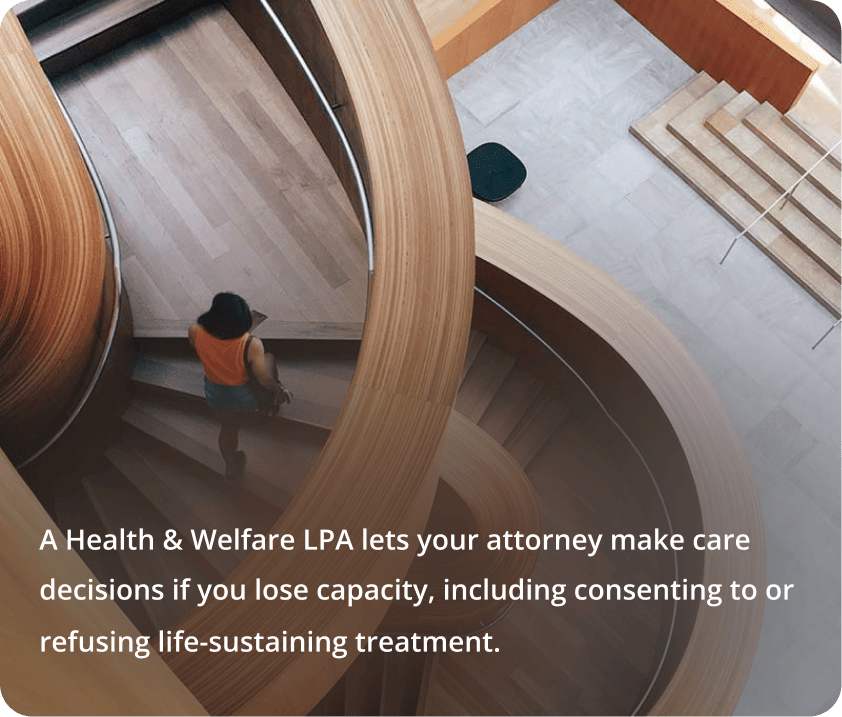
Health & Welfare
Make medical and care decisions.
Your Attorney
Choose someone you trust.
When It Applies
Valid after signing & registration.
Understanding Lasting Powers of Attorney

Understanding LPAs
A quick overview of how Lasting Powers of Attorney protect your decisions, finances, and wellbeing.
What is an LPA?
A Lasting Power of Attorney lets you appoint someone you trust to make financial, health, or welfare decisions if you become unable to do so.
When an LPA Can Be Used
An LPA must be signed, certified, and registered before it can be used. Welfare LPAs apply only if you lack mental capacity.
Ordinary Powers of Attorney
You may give general or limited authority to handle tasks like banking, property transactions, or care arrangements.
Professional Memberships


- let’s talk